
CANOS ORIGIN · FOUNDING COHORT
Their health today.
An epigenetic baseline for tomorrow.
Your dog’s genetic health report, and their epigenetic baseline banked for the future. One blood draw.
Origin is an epigenetic baseline and genetic health test, not a cancer screening or early detection test.
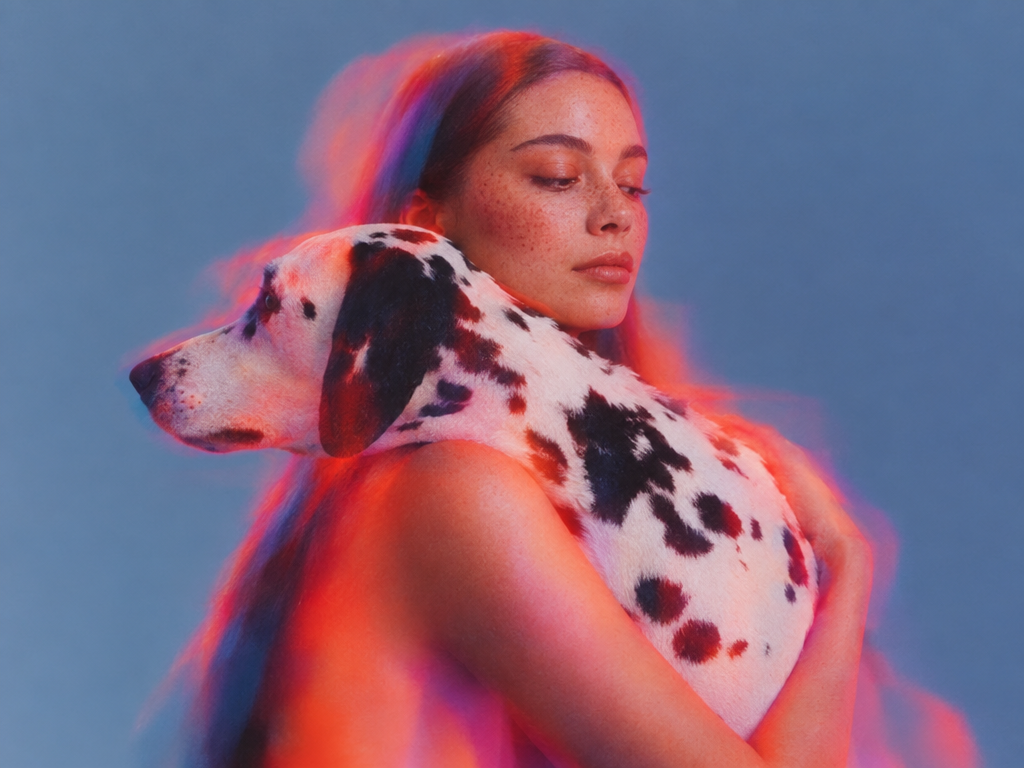
THEIR OWN STARTING POINT
Because every dog’s normal is different.
- FIRST COLLECTIONS
- From October 19
- WHO CAN JOIN
- Healthy dogs · 1 year+ · 5 kg+
- RESULTS
- About 2 weeks after sample receipt
WHAT YOUR DOG GETS
One sample.
Two ways to know them better.
EPIGENETIC BASELINE
Their own normal, recorded.
cfDNA methylation profile
A genome-wide record of your dog’s own pattern, banked as a personal reference for future comparisons.
Immune cell profile
Information about immune cell makeup and immune aging.
GENETIC HEALTH
346
Inherited diseases
Including carrier status
31
Physical traits
Coat, colour, size and shape
7
Drug responses
Including anaesthesia risk
321
Breeds
Ancestry, inbreeding and lineage
IN DEVELOPMENT
Added once validated, with no extra blood draw and no extra charge for founding members.
- Biological age
- Organ health
- Breed health risks
THEIR OWN STARTING POINT
What is an epigenetic baseline?
Epigenetic marks help control how cells use DNA without changing its sequence. DNA methylation is one type of mark.
Tiny DNA fragments in the blood carry these methylation marks. Origin records that pattern while your dog is healthy: a personal reference for future comparisons.
01
Record
Capture your dog’s healthy pattern from one blood draw.
02
Keep
Bank their epigenetic baseline as a personal reference.
03
Learn
Re-analyse the data as new analyses are validated.
Early-detection research is ongoing. Origin does not tell you whether your dog has cancer today.
A simple way to picture it: hardware, settings and a backup
- DNA is like hardware.
- Cells such as those in your dog’s liver and brain share essentially the same DNA instructions.
- Epigenetics is like software settings.
- Chemical marks help decide which genes cells use. That helps liver and brain cells do different jobs, even though their DNA is essentially the same.
- Cancer can change the settings.
- Some marks change in cancer, affecting how cells grow. Changes also happen with age and other conditions, so a change alone does not mean cancer.
- Blood carries clues.
- When cells die, small DNA fragments can enter the blood, carrying marks such as methylation. Canos reads these patterns.
- The baseline is like a backup.
- Your dog’s healthy pattern is personal. Saving a snapshot gives future comparisons a starting point as new tests are validated.
IN ONE LINE
DNA is like hardware; epigenetics is like its settings. Save a snapshot of your dog’s healthy pattern today, as a reference for future comparisons.
THREE WAYS TO GIVE BLOOD
A small draw.
A choice that fits your life.
A vet collects about 5 mL of blood. Every sample is processed in our San Carlos, California lab.
01
Group draw day
Join a monthly draw day in San Francisco.
No draw fee
02
Mobile vet at home
A vet comes to your door in the Bay Area.
$200 visit fee
03
Your own vet
We ship a collection kit anywhere in the US.
Your vet’s draw fee applies
For healthy dogs aged 1 year or older and weighing at least 5 kg (11 lb). If your dog is unwell, anaemic, or has recently had surgery or given blood, wait and speak with your vet first.
FOUNDING MEMBERSHIP
Start with what makes them, them.
- Genetic health report
- Epigenetic baseline, banked
- New validated analyses and research updates included
$100
refundable deposit
to hold your place
$499
one-time membership
including your deposit
Your deposit counts toward the total. The remaining balance is $399. Refundable until your sample is collected; collection fees depend on your chosen option.
Order a testCollection starts October 19. Order your test to arrange a blood draw.
A FEW THINGS TO KNOW
Your questions,
answered.
Still have a question?
What is the founding cohort?
The first dogs to join Canos Origin. You receive your dog’s genetic health report, and we bank their epigenetic baseline to help validate new analyses for dogs. Founding members receive research updates, with newly validated analyses added at no extra cost.
What are cfDNA and an epigenetic baseline?
Epigenetic marks help control how cells use DNA without changing its sequence. One type is DNA methylation. Tiny DNA fragments in the blood, called cell-free DNA (cfDNA), carry these marks. Origin records that pattern while your dog is healthy as a personal reference: their epigenetic baseline.
How does an epigenetic baseline help with cancer research?
Tumours can release DNA with abnormal methylation patterns into the blood. Banking an epigenetic baseline while your dog is healthy allows future research to compare changes against their own normal, rather than only a population average. We are studying how this could support earlier answers in dogs; Origin does not detect or rule out cancer today.
Is this a cancer screening test?
No. Origin won’t tell you whether your dog has cancer today. Early-detection research is ongoing, and banked data is re-analysed as new analyses are validated. If you are worried about your dog’s health, speak with your vet.
What is in the report?
A cfDNA methylation profile and immune cell profile, plus a genetic panel covering 346 inherited diseases, 31 physical traits, 7 drug responses and ancestry across 321 breeds, including inbreeding and lineage. Biological age, organ health and breed health risks, such as hip dysplasia, are in development and will be added once validated, with no extra blood draw.
What should I do with genetic results?
Share your results with your vet. Confirm important findings before making medical, medication or breeding decisions.
Who is Canos?
Canos is a veterinary diagnostics company founded by scientists from the University of Oxford and backed by Y Combinator (F26). We are based in San Francisco, with samples processed in our San Carlos, California lab. Our research collaborators include the Royal Veterinary College.
Which dogs can take part?
Healthy dogs aged 1 year or older and weighing at least 5 kg (11 lb). Dogs that are unwell, anaemic, or have recently had surgery or given blood should wait. Smaller dogs will be added later. Your vet can help confirm whether now is a suitable time for a draw.
How is the blood collected?
A vet takes about 5 mL of blood. Choose a monthly group draw day in San Francisco, a mobile vet visit at home in the Bay Area, or your own vet anywhere in the US with our collection kit. Samples are sent to our San Carlos lab.
When will I get results?
Collection starts October 19. Reports arrive about two weeks after we receive your sample, with a summary you can share with your vet.
How much does it cost?
$499 for one-time founding membership. A $100 refundable deposit holds your place and counts toward the total, leaving $399 to pay. The deposit is fully refundable until your sample is collected. A group draw day has no additional draw fee; a mobile vet visit is $200 extra, and your own vet charges their usual draw fee.
What happens to my dog’s data?
Data is de-identified and used for research only with your consent. You can withdraw and ask us to delete it at any time by emailing info@canos.ai. We never share results with insurers for underwriting.
What does the research say?
Human research supports studying methylation patterns in cfDNA for cancer signals and tissue of origin. Studies also explore the value of personal reference measurements. These findings motivate our work in dogs; they do not establish Origin as a cancer screening test.
- Annals of Oncology, 2021: a targeted methylation blood test evaluated cancer signals across more than 50 human cancer types.
- Journal of Clinical Oncology, 2015: serial CA-125 measurements detected more ovarian cancers than a single threshold in a human screening study. This was not a canine cfDNA test.
- Genome Medicine, 2026: longitudinal cfDNA profiles in healthy people showed stability within individuals.
- Nature Communications, 2018: tissue-specific methylation patterns helped identify the origins of human cfDNA.
Our 22 September 2026 preprint (version 1) analysed 896 plasma sequencing runs from 341 dogs across four studies. In the diagnostic subset, nested cross-validation achieved 90.6% sensitivity at 95.1% specificity. These are retrospective research results, not the performance of Origin as a screening product. The preprint has not been peer reviewed; prospective validation is still needed. Read the Canos research preprint.
THE SCIENCE BEHIND ORIGIN
Developed by scientists from the University of Oxford. In collaboration with the Royal Veterinary College. Backed by Y Combinator.
NANOPORE SEQUENCING · NATIVE METHYLATION
FRAGMENTOMICS · AI PATTERN ANALYSIS
Samples processed in San Carlos, California.
Pet parent guides
Understand your dog’s test.
Understanding blood tests
Can blood tests detect cancer in dogs?
Understand routine bloodwork, liquid biopsy and the questions to ask before choosing a cancer-related test for your dog.
Read guideChoosing the right test
Dog genetic testing versus cancer testing: what’s the difference?
Learn how genetic health testing, cancer-related testing and an epigenetic baseline answer different questions about your dog’s health.
Read guide